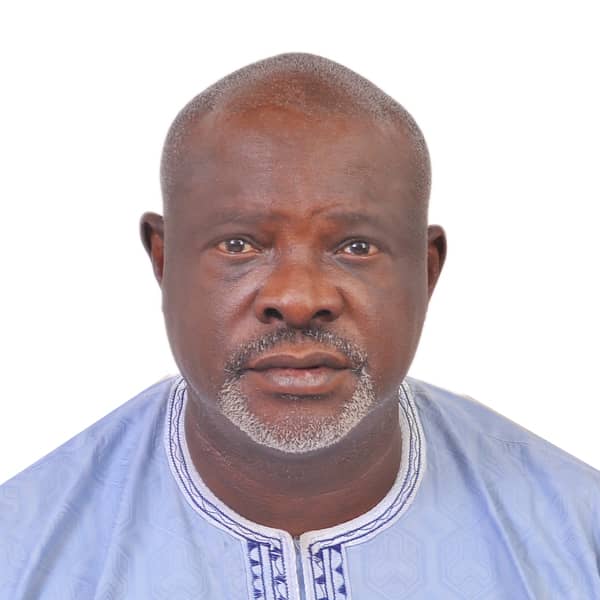
The Department is headed by a director:
Climate Change
The Ogun Climate Change Department serves as the focal
department for the Ogun Climate Change Hub for coordinating climate
change-related policies, programmes, and activities within the State. Its major
roles and responsibilities include:
1. Climate Change Policy Formulation and
Implementation
- Develop, review, and coordinate the implementation of State Climate Change Policies, Action Plans, and Strategies.
- Mainstream climate change considerations into sectoral policies, plans, programmes, and budgets.
2. Climate Change Mitigation
- Promote initiatives aimed at reducing
greenhouse gas (GHG) emissions.
- Encourage renewable energy, energy
efficiency, sustainable transportation, afforestation, and other low-carbon
development projects.
3. Climate Change Adaptation
- Develop and implement adaptation measures
to reduce vulnerability to climate-related risks such as flooding, drought,
erosion, heat stress, and sea-level rise.
- Promote climate-resilient infrastructure and livelihoods.
4. Climate Risk Assessment and Vulnerability Studies
- Conduct climate risk assessments and
vulnerability analyses across sectors.
- Identify climate-sensitive communities and
develop appropriate response strategies.
5. Greenhouse Gas Inventory and Monitoring
- Coordinate the collection and management
of climate-related data.
- Support the preparation of State
greenhouse gas inventories and emissions reports.
6. Climate Finance Mobilization
- Identify and facilitate access to climate
finance opportunities from national and international sources.
- Develop bankable climate projects and
proposals for funding.
7. Public Awareness and Environmental Education
- Organize awareness campaigns on climate
change issues.
- Promote climate change education in
schools and communities.
- Coordinate the activities of Environmental
Management and Climate Change Clubs
8. Stakeholder Coordination and Partnerships
- Collaborate with Federal Government
agencies, development partners, NGOs, academia, and the private sector on
climate change initiatives.
- Serve as the State focal point for
climate-related programmes and projects.
9. Research, Innovation, and Knowledge Management
- Promote climate change research and
dissemination of climate information.
- Document and share best practices and
lessons learned from climate interventions.
10. Monitoring, Evaluation, Reporting and Verification
(MRV)
- Monitor and evaluate climate change
programmes and projects.
- Prepare periodic reports on climate change
actions and achievements.
- Support reporting obligations under
national and international climate frameworks.
11. Climate Change Advocacy and Capacity Building
- Build the capacity of government
officials, communities, and stakeholders on climate change issues.
- Advocate for climate-friendly policies and
sustainable environmental practices.
12. Disaster Risk Reduction and Early Warning Support
- Support flood control, erosion management,
drought preparedness, and other disaster risk reduction measures.
- Collaborate with relevant agencies on
climate-related emergency preparedness and response.
13. Implementation of National and International
Climate Commitments
- Coordinate State-level implementation of
the provisions of the United Nations Framework Convention on Climate Change
(UNFCCC), Paris Agreement, and the Nigeria Climate Change Act.
- Ensure alignment of State programmes with
national climate priorities.
Special Duties
- Toll
Points Management
- Expanded
Producer Responsibility Scheme
- Environmental
Management Plan (EMP) of Non-Manufacturing facilities
- Development of other sources of revenue by the Ministry