The environmental club
established in participating secondary schools is known as the Environmental
Management and Climate Change Club (EM3C). The club serves as a platform for
promoting environmental stewardship, climate change awareness, sustainability
education, and youth engagement in environmental conservation initiatives.
The schools currently
participating in the EM3C programme include:
- Matilda
Hill School
- Taidob
College
- Lisabi
Grammar School
- African
Church Grammar School
- Abeokuta
Grammar School
- Anglican
Girls Grammar School
Through these clubs, students are empowered with knowledge and practical skills to address environmental challenges, champion climate action, and contribute to sustainable development within their schools and communities
· 

Name
of School: Matilda Hill School, Asero
Topic:
Waste to Wealth
Students were sensitised on the
concept of converting waste materials into valuable products, a practice
commonly referred to as "Waste to Wealth." The session highlighted
the importance of proper waste segregation, recycling, reuse, and resource
recovery as sustainable approaches to waste management. Students were taught
how materials such as plastics, paper, metal cans, organic waste, and discarded
items can be transformed into useful products, income-generating ventures, and
environmental solutions. The programme also emphasised the environmental,
economic, and social benefits of reducing waste, promoting entrepreneurship,
conserving natural resources, and mitigating the impacts of pollution and
climate change.

Name
of School: Taidob College
Topic:
Waste to Wealth
Students were educated
on the principles and benefits of the "Waste to Wealth" concept,
which focuses on transforming waste materials into useful and economically
valuable products. The session emphasized proper waste management practices,
including waste segregation, recycling, reuse, and composting. Students learned
how commonly discarded materials such as plastics, paper, glass, and organic
waste can be converted into resources that create economic opportunities while
reducing environmental pollution. The importance of environmental
responsibility, resource
conservation, and
entrepreneurship through innovative waste utilization was also highlighted.
Name
of School: Day Waterman College
Topic:
Upcycling and Waste Management
Students were sensitised on the
importance of effective waste management and the concept of upcycling as a
sustainable approach to environmental conservation. The session focused on
proper waste segregation, reduction, reuse, recycling, and responsible disposal
of waste materials. Students were introduced to practical ways of transforming
discarded items into new and valuable products through upcycling, thereby
reducing waste generation and promoting resource efficiency. The programme also
highlighted the environmental, social, and economic benefits of sustainable
waste management practices, including pollution reduction, resource
conservation, and the creation of green business opportunities.
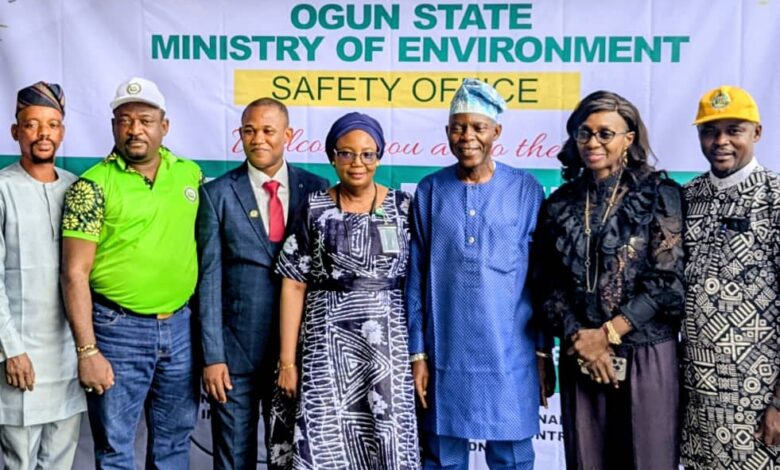
The awareness programme was
organized by the Ogun State Ministry of Environment in conjunction with F.A.B.E
International to enhance environmental awareness and encourage students to
adopt environmentally responsible behaviors within their schools and
communities.


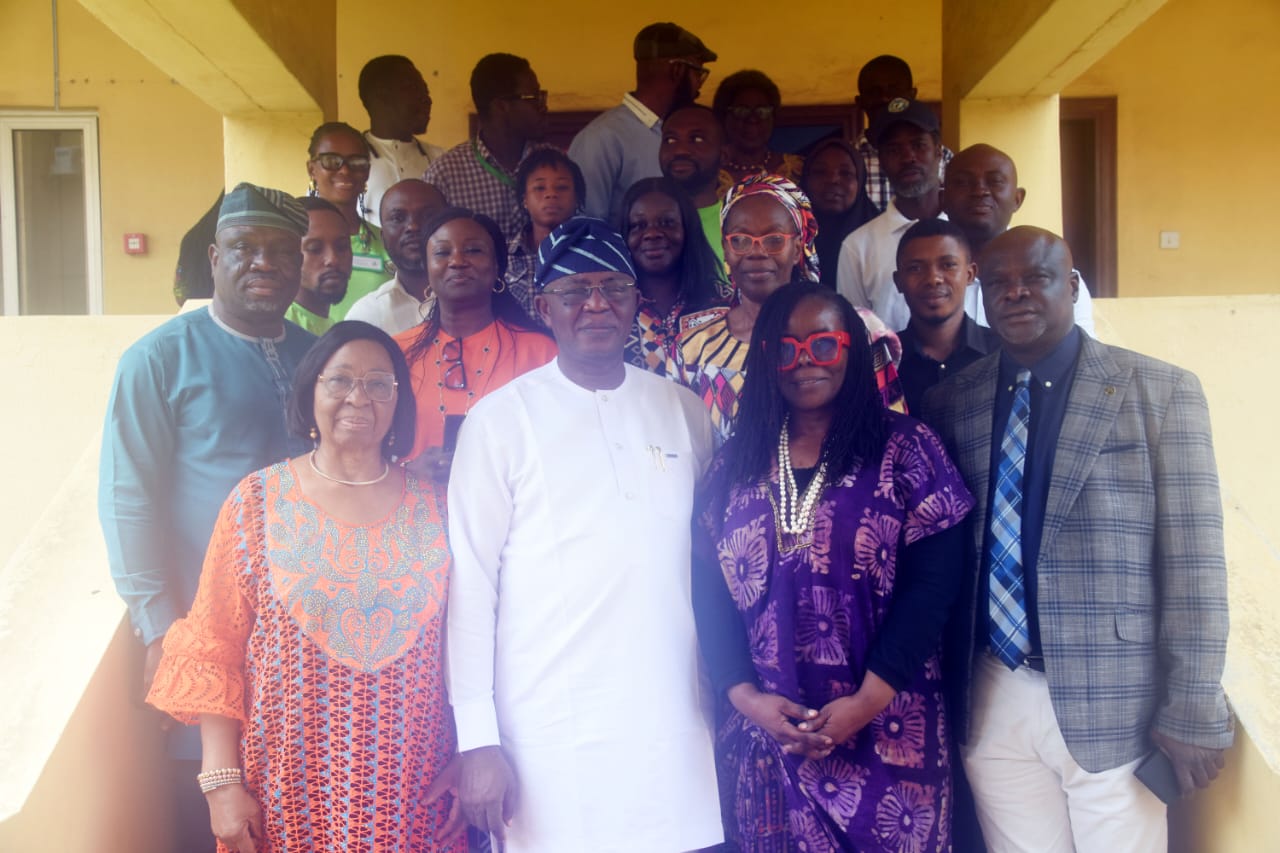
"Students
participating in activities and awareness sessions during the World Environment
Day Celebration organized by the Ogun State Ministry of Environment,
demonstrating their commitment to environmental sustainability and climate
action."
Students from various
secondary schools actively participated in the World Environment Day
Celebration organized by the Ogun State Ministry of Environment. The event
provided an opportunity for young people to engage in environmental education,
awareness campaigns, and interactive sessions focused on sustainable
environmental practices.
The students
demonstrated enthusiasm and commitment to environmental stewardship by
participating in discussions on climate change, waste management, pollution
control, biodiversity conservation, and sustainable living. Their involvement
highlighted the critical role of youth in advancing environmental
sustainability and promoting responsible environmental behavior within their
schools and communities.
The celebration served
as a platform to inspire and empower the next generation of environmental
champions, reinforcing the importance of collective action in protecting and
preserving the environment for present and future generations.


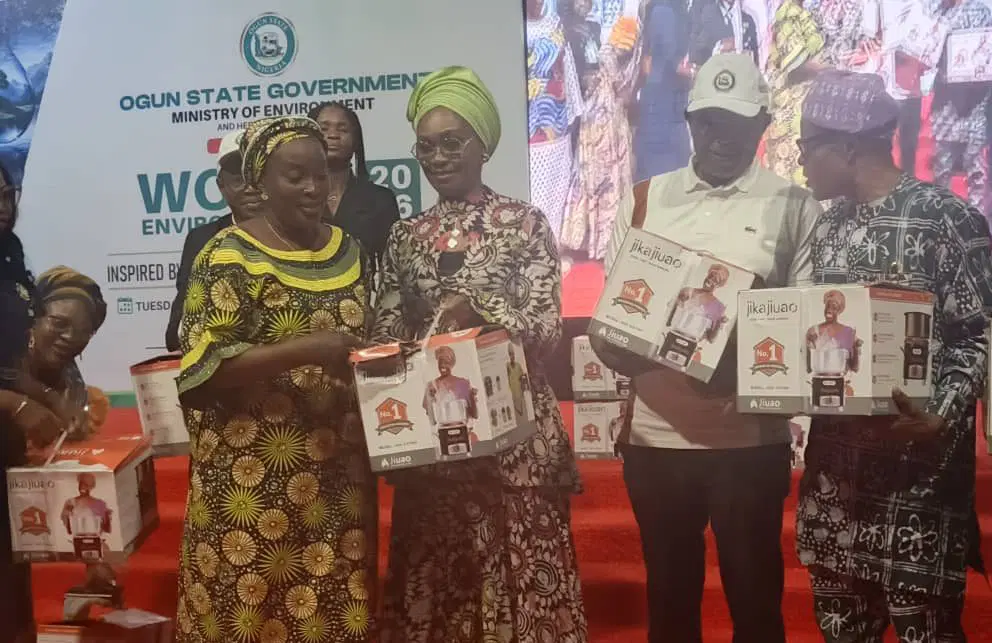
Students of the Environmental
Management and Climate Change Club (EM3C) at the World Environment Day
Celebration alongside the First Lady of Ogun State (second from right) and the
Honourable Commissioner for Environment (far left).
Newsroom
Latest News & Categories
21 Aug, 2026
The Ogun State Government has commenced the training of Health, Safety and Environment (HSE) personnel across industrial facilities in the state as part of efforts to strengthen workplace safety, impr…
Read article
26 Jul, 2026
UNIDO RECOGNISES OGUN STATE FOR HER CIRCULAR ECONOMIC PROGRAMMES, NOMINATES HER FOR OGREE WASTE MANAGEMENT PROJECT. Ogun State has been recognized by the United Nations Industrial Develop…
Read article
21 Jun, 2026
The Ogun State government has reaffirmed its commitment to environmental sustainability, climate resilience and clean energy adoption, unveiling a series of initiatives aimed at tackling climate chang…
Read article